


Navigating Australia's building approval process can seem overwhelming, but understanding the fundamentals will save you time, money, and potential legal complications. Whether you're planning a residential renovation, commercial development, or new construction project, council approvals are a critical first step that determines your project's success.
Understanding Australian Building Permits
Building permits serve as official authorization from local councils or certified building surveyors to proceed with construction work. These permits ensure your project complies with the Building Code of Australia (BCA), local planning schemes, and safety regulations. Without proper approvals, you risk facing stop-work orders, fines, and complications when selling your property.
The Australian building approval system operates on both state and local levels, with each jurisdiction maintaining specific requirements. What applies in Queensland may differ significantly from New South Wales or Victoria regulations. This decentralized approach means thorough research of your local council's requirements is essential before beginning any project.
Types of Building Approvals Required
Planning Permits
Planning permits address land use and development standards within your local area. These permits evaluate whether your proposed project aligns with zoning regulations, heritage overlays, and neighborhood character requirements. Planning permits typically apply to:
• New residential and commercial buildings
• Extensions that alter building footprints
• Changes to existing building use
• Demolition of structures in heritage areas
• Subdivisions and boundary adjustments
Building Permits
Building permits focus on construction standards, structural integrity, and compliance with the BCA. These permits ensure your project meets safety, accessibility, and energy efficiency requirements. Building permits are required for:
• New construction projects
• Major renovations involving structural changes
• Additions exceeding specific size thresholds
• Plumbing and electrical installations
• Swimming pools and outdoor structures

Construction Management Plans
Large-scale projects often require construction management plans that outline traffic management, noise control, waste disposal, and site safety measures. These plans protect both workers and the surrounding community during construction phases.
The Step-by-Step Approval Process
Step 1: Initial Consultation and Research
Contact your local council's planning department to discuss your project requirements. Many councils offer pre-application meetings where planning officers review preliminary concepts and identify potential issues early. This consultation phase helps determine which permits your project requires and highlights any constraints affecting your site.
Research your property's planning zone, heritage overlays, and any covenants or easements that may impact development. Council websites typically provide planning maps and zoning information that inform your project's feasibility.
Step 2: Engage Professional Services
Collaborate with qualified architects, building designers, or draftspeople to develop compliant plans and specifications. These professionals understand local regulations and can navigate complex requirements efficiently. For building permits, engage a registered building surveyor who will assess your plans and guide the approval process.
Professional services typically include:
• Architectural drawings and specifications
• Structural engineering assessments
• Soil and site condition reports
• Energy efficiency calculations
• Accessibility compliance evaluations
Step 3: Prepare Application Documentation
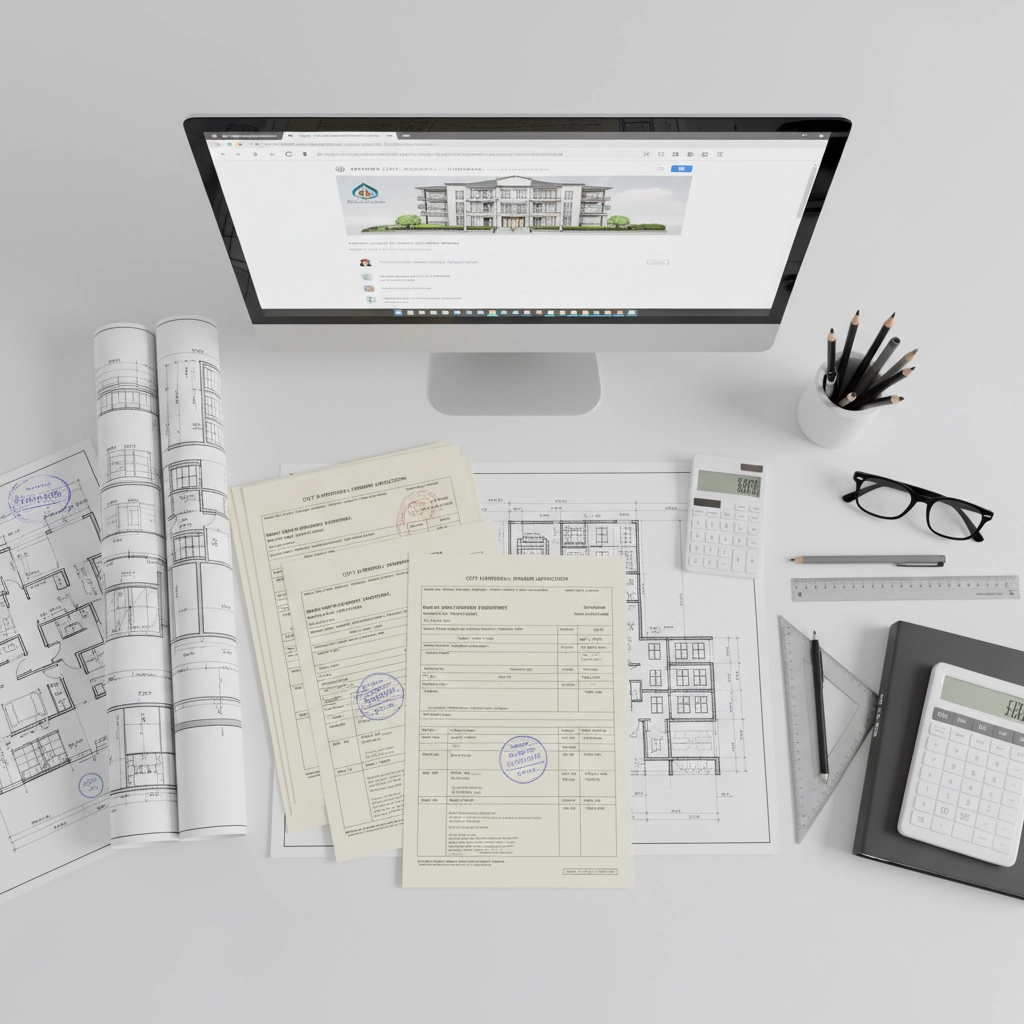
Comprehensive documentation forms the foundation of successful permit applications. Required documents typically include:
• Detailed construction plans and elevations
• Site surveys and contour information
• Structural engineering reports
• Stormwater management plans
• Waste management strategies
• Landscaping proposals
• Statement of Environmental Effects (where applicable)
Ensure all documentation aligns with current building codes and standards. Incomplete or non-compliant applications result in delays and additional costs.
Step 4: Submit Applications and Pay Fees
Submit your applications through your council's online portal or in-person service center. Application fees vary based on project value and complexity, ranging from several hundred to thousands of dollars. Some councils offer discounted fees for environmentally sustainable projects or community facilities.
Planning permit applications typically require public notification periods, allowing neighbors and community members to provide feedback. This process can extend approval timelines but ensures community consultation occurs.
Step 5: Application Assessment and Review
Council planners and building surveyors review applications against relevant policies, codes, and regulations. This assessment may involve:
• Technical compliance checking
• Site inspections and measurements
• Consultation with referral authorities
• Community feedback evaluation
• Conditional approval negotiations
Assessment timeframes vary significantly based on project complexity and council resources. Simple residential projects may receive approval within 4-6 weeks, while complex commercial developments can take several months.
Step 6: Approval Conditions and Implementation
Successful applications receive formal permits with specific conditions that must be satisfied during construction. Common conditions include:
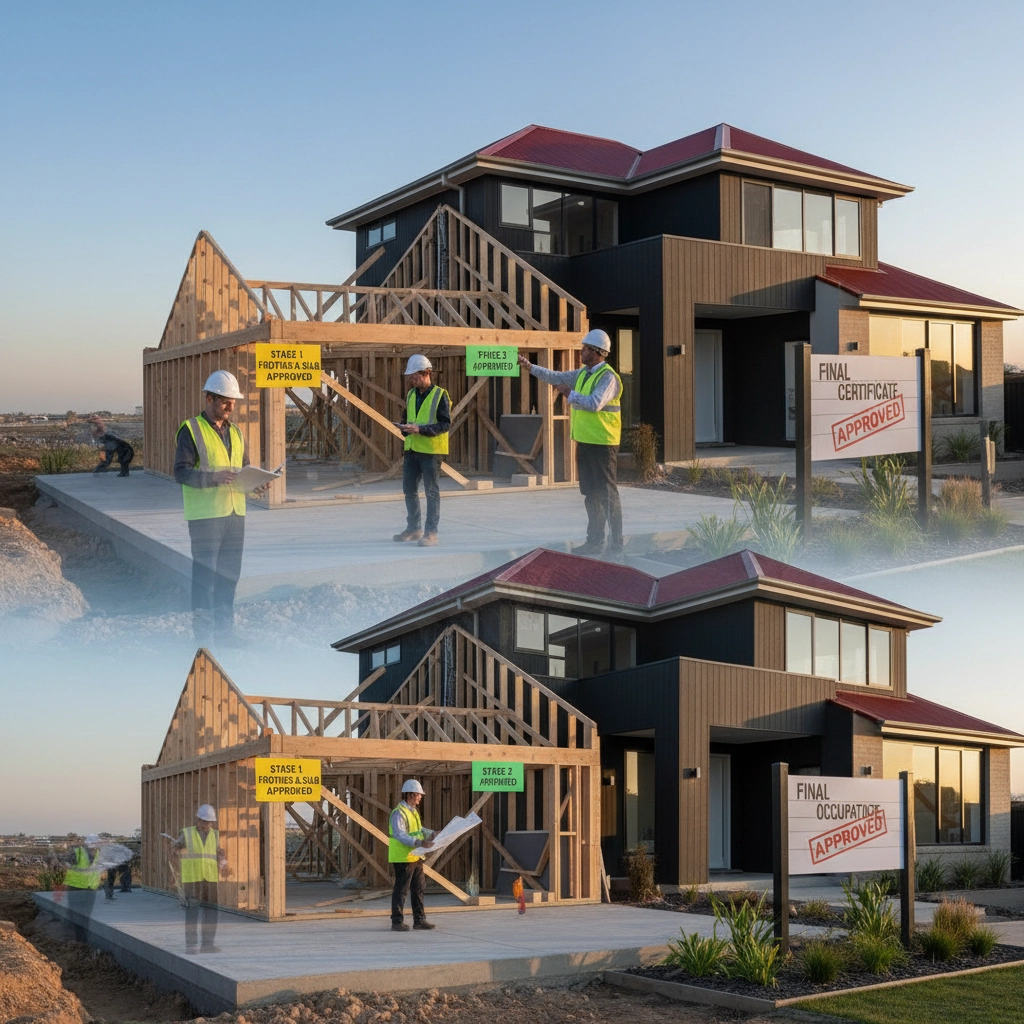
• Mandatory building inspections at key construction stages
• Compliance with approved plans and specifications
• Implementation of endorsed management plans
• Payment of additional fees or bonds
• Completion of required infrastructure works
Timeline Expectations and Planning
Standard Processing Times
Planning permit applications typically require 28-60 days for standard applications, with complex projects taking 3-6 months. Building permit processing generally takes 10-20 business days for straightforward residential projects and 4-8 weeks for commercial developments.
Factors affecting processing times include:
• Application completeness and quality
• Council workload and staffing levels
• Public notification requirements
• Referral authority consultations
• Seasonal demand fluctuations
Strategies for Faster Approvals
Implement these strategies to expedite your approval process:
• Engage experienced professionals familiar with local requirements
• Submit complete, high-quality applications on first attempt
• Respond promptly to requests for additional information
• Consider pre-application consultations for complex projects
• Schedule applications outside peak demand periods
Common Pitfalls and How to Avoid Them
Insufficient Documentation
Incomplete applications represent the most common cause of delays and rejections. Ensure your application includes all required documents, properly formatted and compliant with current standards. Professional preparation significantly reduces the risk of documentation issues.
Non-Compliance with Setback Requirements
Setback violations occur when proposed buildings extend too close to property boundaries. Verify setback requirements early in the design process and ensure accurate site surveys inform your plans.
Overlooking Heritage and Character Overlays
Heritage and neighborhood character overlays impose additional design requirements that can significantly impact project feasibility. Research these overlays thoroughly and incorporate requirements into your initial design concepts.
Inadequate Consultation
Failing to consult with neighbors, councils, or professional advisors often leads to objections and complications. Proactive consultation identifies issues early and demonstrates good faith engagement with the community.
When to Engage Professional Support
Project Complexity Indicators
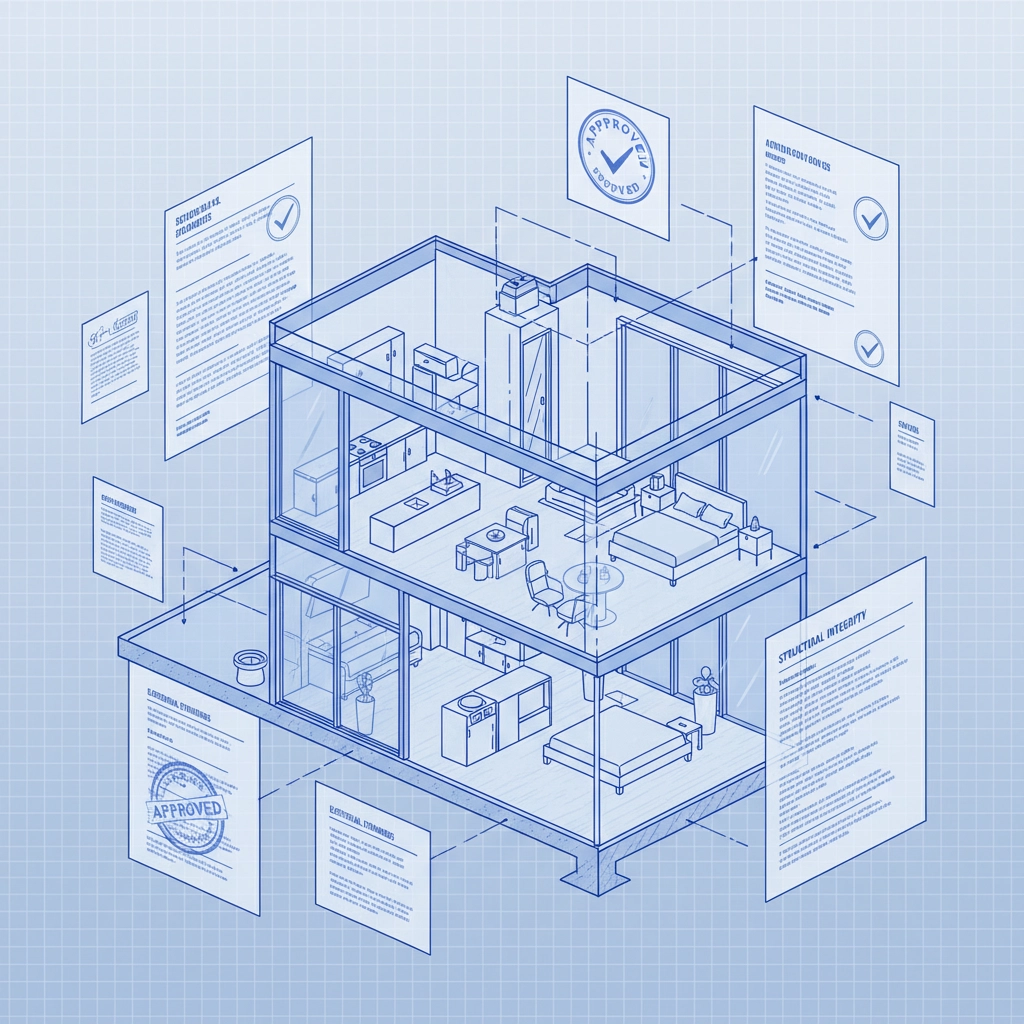
Engage professional support when your project involves:
• Multiple building levels or complex structural elements
• Commercial or mixed-use developments
• Heritage-listed properties or character overlays
• Subdivision or boundary realignment
• Environmental constraints or slope stability issues
Professional Service Selection
Choose professionals based on local experience, relevant qualifications, and proven track records. Registered building surveyors, licensed architects, and accredited energy assessors provide specialized expertise that ensures compliance and reduces risk.
Professional engagement typically includes ongoing support throughout the approval process, including responses to council requests, condition negotiation, and compliance monitoring during construction.
Cost Considerations and Budgeting
Council application fees represent only a portion of total approval costs. Additional expenses include professional fees, survey costs, engineering assessments, and potential infrastructure contributions. Budget approximately 2-5% of total project value for approval-related costs, with complex projects requiring higher allocations.
Consider potential cost implications of approval conditions, including infrastructure upgrades, bond requirements, or ongoing compliance monitoring. These costs should factor into your overall project budget and financing arrangements.
Building permits and council approvals form the foundation of successful construction projects in Australia. While the process may seem complex, systematic preparation and professional guidance ensure efficient navigation of regulatory requirements. Understanding these fundamentals positions you for project success while avoiding costly delays and complications.
At Celestial Structures, we guide clients through every stage of the approval process, leveraging our extensive experience with Australian building regulations to deliver compliant, successful projects. Contact us today to discuss your project requirements and approval strategy.


